


Overview
Your pre-arranged travel plans will undoubtedly enhance your overall experience, allowing you to focus on the cultural, spiritual, and natural wonders of each location. Take the time to immerse yourself in the local traditions, visit ancient monasteries, and enjoy the unique cuisine each region has to offer.
Remember to check the specific requirements for each location, and embrace the opportunity to connect with the rich history and spirituality that these holy sites in Tibet and Nepal.
Highlights
- Nepal one day local pilgrims
- Milarepa Birthplace Cave and Mangyul Lhakhang
- Yarlung Tsangpo river
- Potala palace
- Gungthang Lamo and the Cave of Guru Rinpoche
- Drakar Tatso
- Shigatse
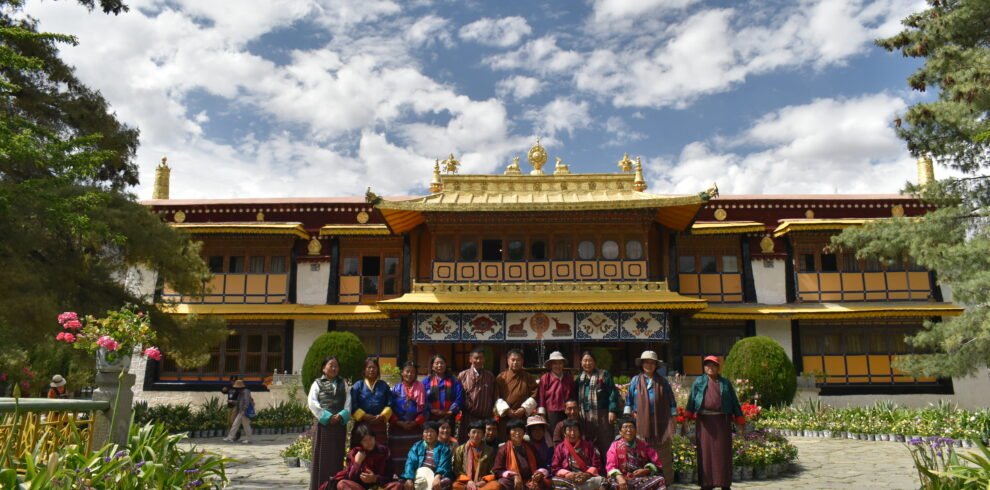
- Norbu Lingka
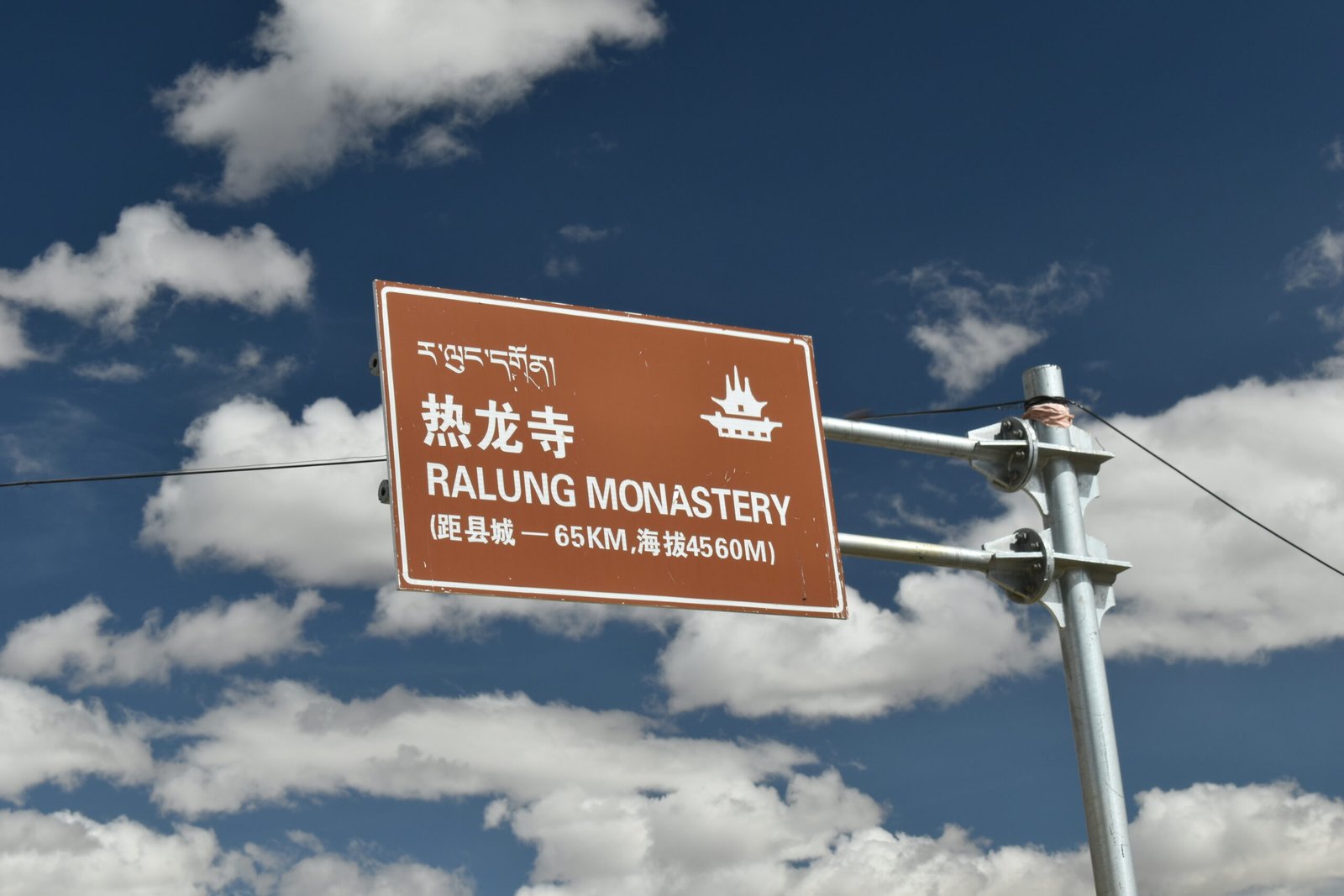
- Druk Ralung
- Gaden Monastery & Tshurphu
- Drakyi Yangdzong
- Samye Monastery
Lhasa Trip Druk Ralung-Entry-Exit by Road
Day 1 :
Paro-Kathmandu
-Submission of visa forms and passports to Chinese Embassy for Tibet Group Visa
-Kora at Boudhanath Chorten and nearby temples
Day 2 :
Immigration Procedure for Departure to Lhasa
-Continue processing Visa for Tibet
Day 3 :
Continue Immigration Procedure for Departure to Lhasa
-Local Neykor Yangleyshoed, Asura Draphug, Jowo Zamling Karmo
-Jowo Ukham, Jowo Phagpashingkuen, Jarungkhashor, Lumo Gangkyel
Day 4 :
Stay in Kathmandu, Nepal
-Receive passports, verifications, preparation for travel to Tibet next day and Local Kora
Day 5 :
Nepal to Kyirong, Tibet
-Early in the morning, drive to Kyirong border, Tibet
-Travel distance 150Km (7 Hours)
-Immigration and Customs Procedure
-Transfer to hotel at Kyriong town
-Visit Kyirong Jowu Lhakhang
Day 6 :
Kyirong to Dingri
Visit:
-Drakar Taso and the meditation cave of Milarepa
Day 7 :
Dingri to Shigatse
-Visit Sakya monastery en-route and Tashi Lhunpo Monastery in Shigatse
-Visit Dolma Lhakang, Kudung Chorten of Jowu Atisa
-Druk Gompa along with Zhabdrung Ngawang Namgyel's birth place
𝐒𝐀𝐊𝐘𝐀 𝐌𝐎𝐍𝐀𝐒𝐓𝐄𝐑𝐘
Sakya Monastery was founded in 1073 by Khön Könchok Gyalpo (དཀོན་མཆོག་རྒྱལ་པོ།), 1034–1102, originally a Nyingmapa monk who is from the noble family of the Tsang and to become the first Sakya Trizin.
The "southern monastery" was founded under the orders of Drogön Chögyal Phagpa in 1268, across a river from the earlier structures by 130,000 workers. Its powerful abbots governed Tibet during the 13th and the 14th centuries under the overlordship of the Mongol Yuan dynasty after the downfall of the Tibetan Empire, until they were eclipsed by the rise of the new Kagyu and Gelug schools of Tibetan Buddhism.
Most of the southern monastery was burned down in the 16th century. It was only restored to its previous size in 1948.
𝐓𝐀𝐒𝐇𝐈 𝐋𝐇𝐔𝐍𝐏𝐎 𝐌𝐎𝐍𝐀𝐒𝐓𝐄𝐑𝐘
Tashi Lhunpo Monastery was founded by His Holiness the first Dalai Lama, Gyalwa Gedun Drupa in 1447, and in due course of time became the most vibrant monastery in U-Tsang province of Tibet.
In the 16th century, the monastery became an important place, when Tashi Lhunpo Monastery’s Abbot, Lobsang Choekyi Gyaltsen (1570-1662) was recognized by the 5th Dalai Lama as the reincarnation of Amitabha, the spiritual teacher of Chenrezig, the patron saint of Tibet, and was given the title of 'Panchen Lama' meaning Great Scholar.
𝐃𝐎𝐋𝐌𝐀 𝐋𝐇𝐀𝐊𝐇𝐀𝐍𝐆
Dolma Lhakhang is located in Nyethang county, 8km south-west of Lhasa, on the old route to Lhasa airport.
This is the must stop for the believer of the Tibetan school of Buddhism who is the direct lineage of Atisha or Kadampa sect.
If you are the believer of Kagyupa, Gelugpa, and Sakyapa, Atisha is the root master to all these schools of Buddhism, who can then trace the lineage to Tilopa and Naropa and then to the Nalanda, which is considered as the direct lineage to Lord Buddha. The temple is directly related to the Atisha and his student.
Day 8 :
Shigatse to Lhasa
-Shigatse to Lhasa along the Yarlung Tsangpo River.
-On the way, we will visit Shang Zabbulung.
Day 9 :
Lhasa Neykor Day 1
Visit:
-Jokhang
-Norbulingka Palace
Day 10 :
Lhasa Neykor Day 2
Visit:
-Jowu Ramoche
-Potala palace
-Sera monastery
𝐏𝐎𝐓𝐀𝐋𝐀 𝐏𝐀𝐋𝐀𝐂𝐄
The Potala Palace is a group of religious and administrative buildings in Lhasa, the capital of the Tibet Autonomous Region.
The palace is sacred in Tibetan Buddhism and once served as the seat of the government of Tibet. It is located on top of a hill named Mar-po-ri (Red Mountain), 425 feet (130 meters) above the Lhasa River valley.
The buildings of the palace rise up dramatically from their rocky base.
𝐉𝐎𝐊𝐇𝐀𝐍𝐆 𝐓𝐄𝐌𝐏𝐋𝐄
The Jokhang was founded during King Songtsen Gampo's reign of the Tibetan Empire. According to tradition, the temple was built for the king's two brides: Princess Wencheng of the Chinese Tang dynasty and Princess Bhrikuti of Nepal. Both are said to have brought important Buddhist statues and images from China and Nepal to Tibet, which were housed here, as part of their dowries.
The oldest part of the temple was built in 652. Over the next 900 years, the temple was enlarged several times with the last renovation done in 1610 by the Fifth Dalai Lama.
Following the death of Gampo, the image in Ramcho Lake temple was moved to the Jokhang temple for security reasons.
When King Tresang Detsen ruled from 755 to 797, the Buddha image of the Jokhang temple was hidden, as the king's minister was hostile to the spread of Buddhism in Tibet.
During the late ninth and early tenth centuries, the Jokhang and Ramoche temples were said to have been used as stables.
In 1049 Atisha, a renowned teacher of Buddhism from Bengal taught in Jokhang.
Day 11 :
Lhasa Neykor Day 3
Visit:
-Drak Yerpa
-Varocchana meditation cave
Day 12 :
Lhasa Neykor Day 4
Visit:
-Phabongkha
-Tsurphu (Seat of Karmapa)
-Shongpa Lhachu
-Neynang
Day 13 :
Free Day in Lhasa Day 5
-Last day in Lhasa for shopping
-Interested ones can can also go for Linkhor (Voluntary)
Day 14 :
Drive to Tsedang
Visit:
-Shugseb Gonpa
-Gagrithoekar (Cave of Kunchhen Longchen Rabjam)
-Zurkhardo Stupas
-Mindrolling Monastery (The oldest Nyinmapa Monastery)
𝐒𝐇𝐔𝐆𝐒𝐄𝐁 𝐍𝐔𝐍𝐍𝐄𝐑𝐘
Shuksep or Shugsep (Tib. ཤུག་གསེབ་ shug gseb) — a nunnery located thirty miles from Lhasa on the slopes of Mount Gangri Thökar, a site associated with the great master Longchenpa. It was founded by the great female master Lochen Chönyi Zangmo.
𝐆𝐀𝐍𝐆𝐑𝐈 𝐓𝐇𝐎𝐄𝐊𝐀𝐑
Gangri Thökar (གངས་རི་ཐོད་དཀར་), 'The White Skull Snow Mountain', is a famous peak in Central Tibet. It was here, in the hermitage of Orgyen Dzong, that Longchenpa taught and composed many of his most important writings. Centuries later, Lochen Chönyi Zangmo founded Shuksep Nunnery on the mountain's lower slopes.
𝐌𝐈𝐍𝐃𝐑𝐎𝐋𝐋𝐈𝐍𝐆 𝐌𝐎𝐍𝐀𝐒𝐓𝐄𝐑𝐘
Orgyen Mindroling Monastery (ཨོ་རྒྱན་སྨིན་གྲོལ་གླིང་) — one of the Six "Mother" Nyingma Monasteries.
It was founded in 1676 by Minling Terchen Gyurme Dorje, aka Rigdzin Terdak Lingpa with his brother Lochen Dharmashri.
The monastery enjoyed a close association with the Fifth Dalai Lama, but was destroyed during the Dzungar war of 1717-8, during which Terdak Lingpa's younger brother, the great scholar Lochen Dharmashri was killed.
The heads of Mindroling are the hereditary successors of Minling Terchen. Minling Trichen Rinpoche, was the eleventh throne-holder, and after his passing in 2008, his son Dungse Dalha Gyaltsen (b. 1959) from Tibet, became the twelfth and current throne-holder.
𝐙𝐔𝐑𝐊𝐇𝐀𝐑𝐃𝐎 𝐒𝐓𝐔𝐏𝐀𝐒
It was built by Shantaraksita to commemorate the place where King Drison Detsen first met Guru Rinpoche. There are five resplendent stupas representing the Five Lineages of Enlightenment.
Day 15 :
Neykor at Tsedang
Visit:
-Thradruk
-Yambulakhang
-Rachung-Phug
-Vairocana cave
-Yarlung Sheldrak
𝐓𝐑𝐀𝐃𝐔𝐊
Tibet’s oldest geomantic temple, dating from the reign of King Songtsen Gampo built in order to press down the limbs of the supine body of an ogress on which Tibet is believed to be situated.
𝐘𝐀𝐑𝐋𝐔𝐍𝐆 𝐒𝐇𝐄𝐋 𝐃𝐑𝐀𝐊
Sheldrak is the sacred place of Guru Rinpoche’s attributes, nestled high in the craggy summits. Founded in the 14th century by the treasure-finder Sangye Lingpa, it contains images of Guru Rinpoche with his two foremost consorts, the Eight Manifestations, and Karmapa Rangjung Dorje.
The crystal of this site is a highly polished blackish green rock onthe cave floor. Above the temple, there are three important cave hermitages: the main one is Sheldrak Drubpuk, the first of Guru Rinpoche’s meditation caves in Tibet, from where the indigenous hostile forces and demons were bound under an oath of allegiance to Buddhism.
𝐓𝐒𝐇𝐄𝐑𝐈𝐍𝐆 𝐉𝐎𝐍𝐆
Tshering Jong ( ཚེ་རིང་ལྗོངས་) — the monastery of Jikmé Lingpa in the Yarlung Valley. It was the seat of Gonpo Tseten Rinpoche who was a resident teacher from 1957 till 1959.
Day 16 :
Samye & Yarmalung
-Drive to Samye in the morning.
-Visit Samye Chimphu,
-Samye monastery
- Drakmar Yarmalung
-Visit Heiphuri, if time allows
𝐂𝐇𝐈𝐌𝐏𝐇𝐔 (𝐙𝐀𝐍𝐆𝐓𝐎𝐊 𝐏𝐄𝐋𝐑𝐄)
This mountain retreat above Samye is revered as the sacred place of Guru Rinpoche’s speech. This is where he taught the Twenty-Five Disciples and where numerous disciples had profound realizations.
Today, there are a hundred or more yogis, men and women, living there in retreat. As we hike through Chimphu, there are many occasions to meet with them and make personal offerings.
It boasts many significant sites, such as a 15 meter-high Copper-Coloured Mountain rock, rock-impressions of Guru Rinpoche's hat and Yeshe Tsogyal's foot.
The cave of Drakmar Keutsang is where Guru Rinpoche bestowed the first Vajrayana empowerment to his eight disciples including Yeshe Tsogyal.
It is also here that Jigme Lingpa, through a series of visions, received the Longchen Nying-thik transmission in the 18th century.
In the upper reaches of Chimphu, one will see Longchenpa’s cave and Tsogyal Zimpuk where Tsogyal practiced with her consort, Atsara Sale.
On the descent, we pass the funerary stupa marking the place where Longchen Rabjampa passed away in 1365.
Yeshe Tsogyal took her first Buddhist vows at Chimphu in the presence of Guru Rinpoche and returned there many times throughout her life.
We will visit her southern cave where she spent twelve years in retreat. Later in her life, after concealing countless treasures all over the Himalayan region, she returned to Chimphu, teaching and bestowing empowerments.
While she was there, she invoked Guru Rinpoche who appeared from the southwest in the midst of a brilliant light and predicted Tibet's future as well as Tsogyal's passing from the world.
𝐒𝐀𝐌𝐘𝐄 𝐌𝐎𝐍𝐀𝐒𝐓𝐄𝐑𝐘
Samye (བསམ་ཡས་), full name 'Samye Mighur Lhundrub Tsula Khang' and Shrine of Unchanging Spontaneous Presence is the first Tibetan Buddhist and Nyingma monastery built in Tibet during the reign of King Trisong Deutsen.
Shantarakshita began construction around 763, and Tibetan Vajrayana founder Guru Padmasambhava tamed the local spirits for its completion in 779. The first Tibetan monks were ordained there.
Samye Monastery is located in the Chimpu valley, south of Lhasa, next the Hapori mountain, in the Yarlung Valley.
The site is in the present administrative region of Gra Nang or Drananga Lhoka.
Day 17 :
Zangri Kangmar 65KM
- Zangri Kangmar Monasery, where Yogini Machik Labdron practiced in 11th century.
- Zangri Kangmar monastery and return to Tsedang.
Day 18 :
Tsedang and Beyond
Visit:
1) Drak Yangdzong
2) Yeshi Tsogyal Lhatso and birth place
3) Sonkar stone Stupa and Hepori
𝐃𝐑𝐀𝐊𝐘𝐀𝐍𝐆 𝐃𝐙𝐎𝐍𝐆
Drakyang Dzong (སྒྲགས་ཡང་རྫོང་) – a sacred site located in Dranang county south of Lhasa. This The site is associated with Guru Rinpoche, whose Buddha-body is represented by these caves.
Drak Yangdzong is also an important place for treasure revelation, with both Padmasambhava and Yeshe Tsogyel both concealing treasures there.
There are 8 sacred places in Tibet and Bhutan blessed by Guru Rinpoche himself for the practice of Eight Herukas. The Eight Herukas of the Nyingma mahayoga tradition are said to have been received by Padmasambhava from the Eight Vidyadharas or Eight Great Acharyas. Drak Yangdzong is considered to be one of them. Here Guru Rinpoche hid the sacred teachings on the Vajrakilaya Tantra.
The first cave, Shinje Drup-ne Zho, 100 sq m in the area, with walls 15 m high ad 10 m wide. Here the main images are of Padmasambhava in the form of Nangsi Zilnon flanked by Yeshi Tsogyal and Mandarava.
The second cave, Shinje Rolpei Drub-ne, is reached by a ladder and a dark narrow tunnel, where one needs to hold a rope to get inside. Here located the main sight of Guru Sangwa Drupuk, where Guru Rinpoche passed three years in retreat.
The third cave, Jago Ranjung Drupuk, also known by the name of Nego Sarpa has amazing limestone formations inside, which believed to be the part of a hidden land ‘Beyul’.
𝐊𝐇𝐀𝐍𝐃𝐎 𝐘𝐄𝐒𝐇𝐈 𝐓𝐒𝐇𝐎𝐆𝐘𝐄𝐋 𝐋𝐇𝐀𝐓𝐒𝐇𝐎
The birthplace of Khandro Yeshe Tsogyal is known as Tsogyal Lhatso. In the 8th century, Yeshe Tsogyal was born there. Local people said that at her birth, a lake expanded in size and there was a sandalwood tree growing near the lake.
The lake later has become a visionary lake and both the lake and the tree are called natural forces which sustain the spirit of Yeshe Tsogyal.
Meanwhile there are also two springs flowing with Yeshe Tsogyal’s secret breast milk and there are white flowers growing on the bank even in winter time.
Day 19 :
Tsedang to Gyantse
Visit:
1) Dorjee Drak
2) Gambala pass (4900m)
3) Yamdok Yuetsho Lake
4) Druk Rulung
𝐃𝐑𝐔𝐊 𝐑𝐀𝐋𝐔𝐍𝐆
Ralung, located in Gyantse in Tsang, was founded in 1180 by Tsangpa Gyare.
It was the principal seat of the Middle Drukpa Kagyu tradition in Tibet and was controlled by the Gya clan until the family line died out in the seventeenth century.
𝐘𝐀𝐌𝐃𝐎 𝐘𝐔𝐓𝐒𝐇𝐎
Yamdrok Lake (also known as Yamdrok Yumtso or Yamzho Yumco( ཡར་འབྲོག་གཡུ་མཚོ་), is a freshwater lake in Tibet. It is one of the three largest lakes in Tibet which is over 72 km long.
The lake is surrounded by many snow-capped mountains and is fed by numerous small streams. The lake has an outlet stream at its far western end and means turquoise in English due to its color.
Around 90 km (56 mi) to the west of the lake lies the Tibetan town of Gyantse and Lhasa is 100 km (62 mi) to the northeast. According to local mythology, Yamdok Yumtso lake is the transformation of a goddess.
Like mountains, lakes are considered sacred by Tibetan people, the principle being that they are the dwelling places of protective deities and therefore invested with special spiritual powers.
Yamdrok Lake is one of four particularly holy lakes, thought to be divinatory; everyone from the Dalai Lama to local villagers makes pilgrimages there.
It is considered sacred as one of the four "Great Wrathful Lakes" guarded by the goddess Dorje Gegkyi Tso.
The others such lakes are Lhamo La-tso, Namtso and Manasarovar. The lake is revered as a talisman and is said to be part of the life-spirit of Tibet.
The largest lake in southern Tibet, it is said that if its waters dry, Tibet will no longer be habitable.
𝐃𝐎𝐑𝐉𝐈 𝐃𝐑𝐀𝐊
Dorjidak Gompa ( རྡོ་རྗེ་བྲག་དགོན་པ།, "Indestructible Rock Vihara") or Tupten Dorjidak Dorjé Drak Éwam Chokgar ( ཐུབ་བསྟན་རྡོ་རྗེ་བྲག་རྡོ་རྗེ་བྲག་ཨེ་ཝཾ་ལྕོག་སྒར་) is a Tibetan Buddhist monastery and one of the Nyingma school's "Six Mother Monasteries" in Tibet.
It is located in the Lhoka (Shannan) Prefecture in the south of the Tibet Autonomous Region, older southeastern Ü-Tsang.
The earlier name of Dorje Drak was Ewam Chogar Gompa, built by Ngari Panchen Pema Wangyal (1487-1582).
It was enlarged by Pema Wangyal's tulku Jangdag Tashi Tobgyal Wangpode (1550-1602). Jangdag Wangpode’s son was the first Rigdzin Ngaggi Wangpo and also the third lineage holder.
The two earlier incarnations and lineage holders were entitled Rigdzin in honor of the reestablishment of the monastery in 1630-1632 by Ngaggi Wangpo.
Day 20 :
Gyantse to Dingri
-Visit Pelchoe Monastery and Kumbum Chorten
-Visit Shalu Monastery
-Visit Langkhor near Old Dingri.
𝐏𝐄𝐋𝐂𝐇𝐎𝐄 𝐌𝐎𝐍𝐀𝐒𝐓𝐄𝐑𝐘
The earliest history of the Penchor Chode Monastery is traced to the ninth century. Pelkhor-tsen, son of Langdarma (anti Buddhist King of West Tibet) after whom the monastery is named as Pelkor Chode, lived here and attempted to perpetuate the Yarlung dynasty of his father who had been assassinated.
The town of Gyantse was established between the 14th and 15th centuries as a feudatory, with the Sakya sect playing a crucial overlord role.
During this period, the Buddhist monuments were also built with the Dzong (the old fort) followed by the Kumbum and the Pekor monastery. All three structures have been dated.
Tsuklakhang monastery was built by prince Rabton Kunzang Phak between 1418 and 1425.
However, Gyantse's historical importance declined by the end of the 15th century.
𝐊𝐔𝐌𝐁𝐔𝐌 𝐂𝐇𝐎𝐑𝐓𝐄𝐍
A Kumbum ('bum" one hundred thousand, "Kuu" holy images") is a multi-storied aggregate of Buddhist chapels in Tibetan Buddhism. The most famous Kumbum forms part of Palcho Monastery.
The first Kumbum was founded in the fire sheep year 1427 by a Gyantse prince. It has nine lhakangs or levels, is 35 metres (115 ft) high surmounted by a golden dome, and contains 77 chapels which line its walls. Many of the statues were damaged during the Cultural Revolution.
The Kumbum or great gomang ("many-doored") stupa at Gyantse is a three-dimensional mandala meant to portray the Buddhist cosmos.
The Kumbum, like other mandalas, which are portrayed by a circle within a square, enables the devotee to take part in the Buddhist perception of the universe and can depict one's potential as they move through it.
Mandalas are meant to aid an individual on the path to enlightenment.
The Kumbum holds a vast number of images of deities throughout its structure with Vajradhara (Sanskrit: Vajradhāra, Tibetan: Dorje Chang, English: Vajraholder), the cosmic Buddha, at the top.
𝐙𝐇𝐀𝐋𝐔 𝐌𝐎𝐍𝐀𝐒𝐓𝐄𝐑𝐘 ( ཞྭ་ལུ། )
Zhalu Monastery is a small temple 22 Km, South of Shigatse in Tibet. Founded in 1040 by Chetsun Sherab Jungnay, for centuries it was renowned as a centre of scholarly learning and psychic training and its mural paintings were considered to be the most ancient and beautiful in Tibet.
Zhalu was the first of the major monasteries to be built by noble families of the Tsangpa during Tibet's great revival of Buddhism and was an important center of the Sakya tradition.
𝐃𝐈𝐍𝐆𝐑𝐈 𝐋𝐀𝐍𝐆𝐊𝐇𝐎𝐑
ཕ་དམ་པ་སངས་རྒྱས་ནི་བོད་དུ་ཤེར་ཕྱིན་དང་། ཕྱག་རྒྱ་ཆེན་མོ། དེ་བཞིན་ཞི་བྱེད་གཅོད་ཀྱི་གདམས་པར་གྱུར་པའི་ཆོས་སྐོར་ཁག་གཅིག་འཆད་སྤེལ་མཛད་ཅེས་ཡོངས་སུ་གྲགས་པའི་ནང་པའི་གྲུབ་ཆེན་ཞིག་ཡིན། ཁོང་ཞི་བྱེད་གཅོད་ཀྱི་ལུགས་སུ་གཏོགས་པར་བཞེད་ཅིང་། ལུགས་ཁག་གཅིག་གིས་ཁོང་ཞི་བྱེད་གཅོད་ཀྱི་སྲོལ་འབྱེད་མ་གཅིག་ལབ་ཀྱི་སྒྲོན་མའི་བླ་མ་ཡིན་ཞེས་ཀྱང་བརྗོད།
Langkhor Monastery was founded by Phadampa Sangay in 1097 who also lived in Bhutan near Satsham Chorten at Paro in a place called Jathang. Padampa Sanggye in 1097. This was the site where he first taught Machik Labdron.
Day 21 :
Dingri to Kyirong
-Stop at Gungthang Lamo, the mountain pass from where the great master Guru Rinpoche left Tibet for the land of Rakshas.
-Visit birth place (Gungthang) of Milarepa).
-Visit Mangyul Jamtrin Lhakhang, located near Kyirong, was founded in the seventh century by Songsten Gampo as a geomantic temple intended to subdue the mythical demoness that personifies the Tibetan landscape according to the Tibetan origin myth. It is said to supress the right foot of the demoness. The current structure is a four storied building with pagoda.
Day 22 :
Kyirong to Kathmandu
-Drive 25km to Kyirong Border
-Immigration and Custom Procedures
-Journey to Kathmandu,150km
Day 23 :
Halt at Kathmandu
-Rest/Shopping/Kora in Kathmandu
Day 24 :
Kathmandu- Paro, Bhutan
-Fly back to Bhutan
The cost includes:
- Round air tickets for Paro-Kathmandu
- Transports from Kathmandu- (Kyirong) Tibet
- Transports within Tibet
- Travel permits
- Accommodation in twin sharing room
- Meals
- Local transports
- Guide
- English speaking Local Tibetan tour guide (Professional)
- Bhutanese translator in Dzongkha
- All expenses for tour guides and drivers
- Oxygen Cylinders in the bus
- Tour group leader
- Travel insurance
- Ground transportation
- Entrance fees to tourist sites
- First aid-kit
The cost excludes:
- Tips for guide & driver
- Nyendar/Donations
- Visa fees in Nepal, if applicable
- Telephone charges
- Meals that are not included in the travel program
- Personal bills
- Laundry charges
- Shopping expenditures
- Drinks & beverages